Author: social@alphabetasolution.com

  • Borivali West Dentist Reveals 10 Secrets for a Healthier, Brighter Smile

    Borivali West Dentist Reveals 10 Secrets for a Healthier, Brighter Smile

    Borivali West Dentist Reveals 10 Secrets for a Healthier, Brighter Smile

    Portrait of a woman in a white coat and blue top, smiling in a well-lit room with potted plants.

    One of the first things people notice about you is your self-assured smile. But brushing twice a day isn’t sufficient to keep that healthy, bright smile. The professionals at Smile World Dental, the best dentist in Borivali West, think that a brilliant smile is the result of fusing skilled treatment with healthy daily practices.

    Along with helpful oral hygiene advice you can begin using right now, this post will reveal 10 dentist-approved secrets to help you get and keep a healthier, brighter smile.

    Why Dental Health Is More Important Than You May Think

    Your mouth serves as the entryway to the general health of your body. In addition to causing cavities and gum disease, poor oral hygiene can have negative effects on your immune system, digestion, and heart. Getting regular dental care is essential for avoiding infections, boosting self-esteem, and improving your general quality of life.

    Being the top dentist in Borivali West, we frequently remind our clients that their smiles are a reflection of their habits and way of life. You can have strong, white, and pain-free teeth for many years to come with regular dental care and timely checkups.

    10 Secrets to Achieve a Healthier, Brighter Smile

    1. Brush Twice Every Day: Proper Technique Is Important

    Brushing is the foundation of oral hygiene, but many people rush it. Brush for at least two minutes using a soft-bristled toothbrush and fluoride toothpaste. To clean your tongue and all other surfaces, gently move the brush in circular motions.

    This easy technique effectively gets rid of plaque and helps keep stains and foul breath at bay.

    2. Never Forget to Floss!

    Because it cleans the areas your toothbrush cannot reach, flossing is equally as important as brushing. Tooth decay, gum bleeding, and plaque accumulation are all avoided with regular flossing.

    To get rid of stuck food particles, floss at least once a day, ideally right before bed.

    3. Routine Dental Exams Are Essential

    A lot of dental issues arise in silence. Seeing the top dentist in Borivali West every six months keeps your smile healthy and helps identify problems early, such as cavities or gum disease.

    Even routine brushing cannot remove hardened plaque (tartar), which is what professional cleanings do.

    4. Use Mouthwash Sensibly

    Freshening breath, strengthening enamel, and lowering bacteria are all possible with a good antibacterial mouthwash. It should, however, supplement brushing and flossing rather than take their place. Find out from your dentist which type is best for your oral health.

    5. Consume Foods That Make You Smile

    Your oral health is greatly influenced by the foods you eat. For stronger enamel, include foods high in calcium, such as milk, cheese, and yogurt. As natural toothbrushes, crunchy fruits and vegetables like apples, carrots, and celery remove plaque and increase salivation.

    6. Limit Acidic and Sugary Foods

    Fizzy drinks and sugary snacks encourage the growth of dangerous bacteria that cause cavities and enamel erosion. In order to neutralize acids, always rinse your mouth with water after consuming acidic foods, such as citrus fruits, in moderation.

    7. Drink plenty of water throughout the day.

    Saliva naturally cleans your mouth and removes food particles, and water helps keep it flowing. For improved oral hygiene, drink water frequently throughout the day because a dry mouth is a haven for bacteria.

    8. Steer clear of tobacco and stains.

    Red wine, coffee, and tobacco can harm your gums and discolor your teeth. Smoking raises the risk of oral cancer in addition to causing discoloration. Avoid these habits or rinse your mouth right away after eating for a whiter smile.

    9. Protect Your Teeth from Grinding and Injury

    Many people unknowingly damage their teeth through habits like teeth grinding (bruxism) or chewing hard objects. Using a night guard or protective mouth gear during sports can prevent cracks, chips, and excessive wear. Consulting a Borivali West dentist ensures personalized protection, helping maintain both the health and brightness of your smile for the long term.

    10. Pay Attention to Early Warning Signs

    Sensitivity, bleeding gums, persistent bad breath, or tooth pain shouldn’t be ignored. These could be an indication of more serious problems like cavities or gum disease. Early treatment can save teeth and money, so schedule an appointment with your Borivali dentist as soon as possible.

    Personalized Care for a Confident, Healthy Smile

    Every smile is different, in our opinion at Smile World Dental. Every patient receives individualized care from our team using cutting-edge dental technology. Our aim is to give you a smile that is confident and healthy, whether you require cosmetic dentistry, preventive care, or a full smile makeover in Borivali.

    We provide services such as:

    • experienced teeth whitening and cleaning
    • Cosmetic veneers and smile correction
    • Preventive dental examinations
    • Advanced gum care procedures

    You’re investing in long-term dental health and a secure future when you choose the top dentist in Borivali West.

    Daily Dental Health Care Advice Suggested by Dentists

    Our dental professionals suggest the following easy daily routine:

    • Morning: Brush, floss, and rinse with mouthwash.
    • Afternoon: Drink lots of water and rinse your mouth after eating.
    • Night: Avoid midnight snacking and brush again before bed. Within weeks, you can significantly improve the appearance and health of your smile by adhering to these oral hygiene guidelines.

    Conclusion:

    One of your most precious possessions is your smile; safeguard it with regularity, awareness, and expert assistance. Recall that long-term dental health is the result of tiny daily routines. Smile World Dental Clinic is the best dentist in Borivali West. All year long, our skilled staff makes sure your smile remains radiant, self-assured, and healthy.

    Make an appointment for your consultation right now to learn about the benefits of expert dental care that prioritizes your smile.


  • Early Signs Your Child May Need Orthodontic Care.

    Early Signs Your Child May Need Orthodontic Care.

    Early Signs Your Child May Need Orthodontic Care.

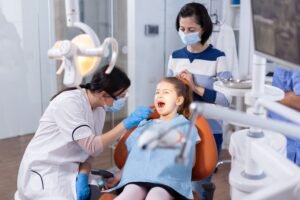
    Parents checking their children's mouths and teeth, illustrating early signs of potential orthodontic issues in kids.

    Every parent wants their child to have a healthy, confident smile. But how do you know if your child’s teeth are developing correctly? Identifying potential orthodontic issues early can save time, discomfort, and even money down the road. An orthodontics dental clinic like Smile World can help detect these problems and guide your child toward a lifetime of optimal oral health. In this article, we’ll explore the early signs your child may need orthodontic care and how parents can take proactive steps.

    Why Early Orthodontic Assessment is Important

    Many parents think braces or orthodontic treatments are only needed in the teenage years. However, early orthodontic care is crucial for preventing more severe dental issues later. According to experts at Smile World, addressing misaligned teeth, bite problems, or jaw growth irregularities early can improve chewing, speech, and overall oral hygiene.

    Children’s teeth and jaws are still developing, which means minor interventions now can prevent complex procedures in the future. Early detection allows your orthodontist to guide growth and ensure permanent teeth emerge in the correct position.

    Common Early Signs Your Child May Need Orthodontic Care

    Recognizing these warning signs at home can help parents decide when it’s time to visit an orthodontics dental clinic.

    Crowded or Misaligned Teeth

    One of the most noticeable signs is crowded teeth. If your child’s teeth overlap, twist, or appear crooked, it may indicate insufficient space in the jaw. Misaligned teeth not only affect appearance but can also make brushing and flossing difficult, increasing the risk of cavities and gum disease.

    Difficulty Chewing or Biting

    If your child complains about difficulty biting or chewing, it could be due to bite problems such as overbite, underbite, or crossbite. These issues can cause discomfort and uneven wear on teeth. A professional from Smile World can evaluate alignment and recommend corrective treatments early.

    Early or Late Loss of Baby Teeth

    The timing of losing baby teeth matters. If your child loses teeth too early or too late, it can disrupt the eruption of permanent teeth. This misalignment may require intervention from an orthodontics dental clinic to prevent long-term dental problems.

    Mouth Breathing or Jaw Pain

    Mouth breathing and persistent jaw pain are often overlooked signs of orthodontic issues. Misaligned teeth or jaw structures can make it difficult to breathe naturally through the nose. Consulting an orthodontist at Smile World can help correct these problems and improve overall oral and respiratory health.

    Speech Difficulties

    Children with speech difficulties may have underlying orthodontic concerns. Problems like open bite or crowded teeth can affect pronunciation, clarity, and confidence in speaking. Early evaluation at an orthodontics dental clinic can help resolve these issues before they affect learning or self-esteem.

    When to Schedule a Visit to an Orthodontics Dental Clinic

    The American Association of Orthodontists recommends that children have their first orthodontic assessment around age 7. Even if there are no visible issues, early checkups allow orthodontists to monitor jaw growth and tooth development.

    At Smile World, your child will receive a comprehensive examination, including X-rays and dental impressions if needed. This evaluation helps identify problems early and determines whether your child may benefit from preventive orthodontic treatments such as spacers, expanders, or early braces.

    How Orthodontic Treatment Can Help

    Modern orthodontic treatments are designed to be effective and comfortable for children. Common options include:

    • Braces for kids – traditional metal or ceramic braces can correct alignment and bite issues.
    • Clear aligners – discreet, removable alternatives suitable for older children.
    • Palatal expanders – help widen the upper jaw to make room for permanent teeth.

    Correcting dental problems early not only improves your child’s smile but also promotes proper chewing, speech, and self-confidence. Visiting an orthodontics dental clinic like Smile World ensures that your child receives personalized care tailored to their needs.

    Tips for Parents

    Parents play a critical role in maintaining oral health and identifying early signs of orthodontic issues. Here are a few practical tips:

    1. Schedule regular dental checkups and monitor your child’s teeth for misalignment.
    2. Encourage healthy habits like brushing, flossing, and avoiding sugary snacks.
    3. Watch for early warning signs, including crowding, jaw pain, mouth breathing, or speech difficulties.
    4. Consult an orthodontics dental clinic promptly if you notice any issues.

    Early intervention ensures smoother treatment, reduces discomfort, and prevents long-term dental complications.

    Conclusion

    Recognizing the early signs your child may need orthodontic care is crucial for long-term dental health. From crowded teeth to speech difficulties, subtle indicators can point to underlying problems that an orthodontics dental clinic like Smile World is best equipped to handle. By taking action early, you can help your child achieve a healthy, confident smile that lasts a lifetime.

    Schedule a consultation with Smile World today to ensure your child’s smile stays healthy and strong.

  • How Oral Health Affects Your Overall Wellness and Life

    How Oral Health Affects Your Overall Wellness and Life

    How Oral Health Affects Your Overall Wellness and Life


    When considering staying healthy, oral health is often overlooked. However, your mouth is more than just a gateway to your smile it’s a crucial part of your overall wellness. Good oral hygiene and regular dental health care are not only important for a bright smile, but they also have a powerful impact on oral health and your entire body.

    The Importance of Oral Health

    Your mouth hosts a complex ecosystem of bacteria—some beneficial, some harmful. Without proper oral hygiene, harmful bacteria can multiply and cause oral health problems like tooth decay and gum disease. But these issues don’t just stay in your mouth. When oral bacteria enter the bloodstream, they can contribute to systemic inflammation and chronic conditions.

    Research shows a strong mouth-body connection, linking poor oral health to serious health problems like cardiovascular disease, diabetes, and respiratory infections. This makes the importance of oral health clear: taking care of your teeth and gums is about so much more than just appearances.

    Oral Health and General Health: How They’re Linked

    The relationship between oral health and general health goes both ways. For instance, people with diabetes are more likely to have gum disease, while gum disease can make it harder to control blood sugar levels. Likewise, studies suggest that gum disease is associated with a higher risk of heart disease, stroke, and even complications during pregnancy, such as low birth weight or premature birth.

    This highlights why oral health and wellness go hand in hand. Maintaining good oral care habits is essential for keeping your whole body healthy.

    How Oral Hygiene Influences Your Wellness

    Good oral hygiene is the foundation of good health. Simple daily habits like brushing and flossing remove plaque—a sticky film of bacteria that can cause gum disease and cavities. Regular dental check-ups are also key, as your dentist can catch and treat issues early before they become serious.

    Neglecting your oral hygiene can lead to chronic inflammation in the mouth, which in turn can impact your immune system and overall health. In fact, studies suggest that inflammation from gum disease can worsen existing chronic illnesses and put stress on your heart and other vital organs.

    The Mouth-Body Connection: A Closer Look

    The mouth-body connection underscores just how interconnected your oral and general health truly are. Here are some examples:

    • Heart Disease: Bacteria from gum disease can enter the bloodstream and cause inflammation in blood vessels, raising the risk of heart attacks and strokes.
    • Diabetes: Poor oral health can make it harder to manage blood sugar, while high blood sugar can fuel bacterial growth in the mouth, leading to gum disease.
    • Respiratory Infections: Inhaling harmful bacteria from the mouth can lead to lung infections, particularly in older adults or those with weakened immune systems.

    Understanding this connection can motivate you to prioritize your oral health and, in turn, support your entire body’s wellness.

    Tips for Maintaining Dental Health and Overall Wellness

    Here’s how you can protect both your teeth and your general health:

    •  Brush twice a day with fluoride toothpaste to remove plaque and strengthen enamel.
    •  Floss daily to clean between teeth and prevent gum disease.
    •  Visit your dentist regularly for check-ups and professional cleanings.
    •  Eat a balanced diet with plenty of fruits, vegetables, and lean proteins to nourish your teeth and body.
    •  Avoid tobacco products and limit sugary foods and drinks, which can harm teeth and gums.

    These simple habits go a long way in supporting both your oral health and wellness.

    Final Thoughts: Oral Health and Wellness Matter

    The impact of oral health extends far beyond your mouth. By caring for your teeth and gums, you’re protecting your heart, lungs, and overall body from disease and discomfort. Remember: your dental health is a vital part of your daily routine and a key factor in your overall wellness journey.

    Contact your dentist right away if you notice any oral health problems. Taking care of your oral health protects your overall health.

  • Why Pediatric Dental Care Is Important for Your Child

    Why Pediatric Dental Care Is Important for Your Child

    Why Pediatric Dental Care Is Important for Your Child


    Ensuring your child’s oral health is a vital aspect of their overall well-being. Pediatric dental care focuses on the unique dental needs of children from infancy through adolescence, laying the foundation for a lifetime of healthy smiles.

    The Importance of Early Dental Visits

    The American Academy of Pediatric Dentistry recommends that children have their first dental visit by their first birthday or within six months after the first tooth erupts. Early visits help in the early detection of potential issues and familiarize children with the dental environment, reducing anxiety and promoting positive dental experiences.

    Preventive Care and Education

    Pediatric dentists emphasize preventive care, including regular cleanings, fluoride treatments, and sealants, to protect against cavities and tooth decay. They also educate parents and children on proper brushing and flossing techniques, dietary choices, and habits that contribute to optimal oral health.

    Specialized Training and Child-Friendly Approach

    Pediatric dentists undergo specialized training to address the developmental and behavioral needs of children. Their offices are designed to be welcoming and engaging, helping children feel comfortable and at ease during visits. This child-friendly approach fosters trust and encourages regular dental care.

    Addressing Dental Issues Early

    Early dental visits allow for the timely identification and management of dental issues such as misaligned teeth, bite problems, and early signs of decay. Addressing these concerns promptly can prevent more serious complications and the need for extensive treatments in the future.

    Promoting Lifelong Oral Health

    Establishing good oral hygiene habits early in life sets the stage for continued dental health into adulthood. Children who receive regular dental care are more likely to maintain these habits, leading to reduced risks of dental problems and associated health issues later in life.

    Conclusion

    Pediatric dental care is a crucial component of your child’s health regimen. By prioritizing early dental visits, preventive care, and education, you can help ensure your child develops healthy oral habits that last a lifetime. Regular check-ups with a pediatric dentist not only safeguard your child’s dental health but also contribute to their overall well-being.


  • Common Dental Myths Debunked: Truths You Should Know

    Common Dental Myths Debunked: Truths You Should Know


    Common Dental Myths Debunked: Truths You Should Know


    Maintaining good oral health is essential for overall well-being. However, numerous dental myths and misconceptions about dental care can lead individuals astray, resulting in poor oral hygiene practices. In this article, we aim to debunk some of the most prevalent oral health myths, providing you with accurate information to ensure your dental health remains in top condition.

    Myth 1: Brushing Harder Cleans Better

    Many believe that applying more pressure while brushing will result in cleaner teeth. In reality, brushing too hard can erode tooth enamel and damage gums, leading to sensitivity and gum recession. It’s recommended to use a soft-bristled toothbrush and gentle, circular motions to effectively clean teeth without causing harm. 

    Myth 2: Flossing Isn’t Necessary If You Brush Regularly

    While brushing removes plaque from tooth surfaces, it doesn’t reach the spaces between teeth. Flossing is crucial for removing food particles and plaque from these areas, preventing cavities and gum disease. Incorporating daily flossing into your oral hygiene routine is essential for comprehensive dental care.

    Myth 3: Chewing Gum Replaces Brushing

    Chewing sugar-free gum can stimulate saliva production, which helps neutralize acids and wash away food particles. However, it doesn’t replace the mechanical action of brushing and flossing in removing plaque. Gum can be a helpful adjunct but should not substitute regular brushing and flossing.

    Myth 4: Only Sugar Causes Cavities

    While sugar is a primary contributor to tooth decay, it’s not the only culprit. Starchy foods like bread and crackers can break down into sugars, feeding bacteria that produce acids harmful to tooth enamel. Maintaining a balanced diet and proper oral hygiene is key to preventing cavities. 

    Myth 5: Gum Disease Only Affects the Mouth

    Gum disease, or periodontal disease, doesn’t just impact oral health; it’s linked to systemic conditions like heart disease and diabetes. Inflammation from gum disease can enter the bloodstream, affecting overall health. Regular dental check-ups and good oral hygiene are vital in preventing and managing gum disease.

    Myth 6: Teeth Whitening Damages Enamel

    Professional teeth whitening procedures are safe and do not harm tooth enamel when conducted under dental supervision. However, over-the-counter whitening products, if misused, can cause sensitivity or damage. Consulting with a dentist before whitening ensures safety and effectiveness.

    Myth 7: Diet Drinks Are Safe for Teeth

    Diet sodas may lack sugar but often contain acids that can erode tooth enamel. Regular consumption of acidic beverages increases the risk of enamel wear and cavities. Opting for water and limiting acidic drink intake helps protect dental health.

    Myth 8: Fruit Juice Is Healthy for Teeth

    Despite being natural, fruit juices are high in sugars and acids that can harm teeth. Frequent consumption can lead to enamel erosion and cavities. It’s advisable to consume fruit juices in moderation and rinse the mouth with water afterward.

    Myth 9: Dental Visits Are Only Necessary When There’s Pain

    Waiting for pain before visiting the dentist can lead to advanced dental issues. Regular check-ups allow for early detection and treatment of problems, preventing complications. Routine dental visits are essential for maintaining oral health.

    Myth 10: Coke Can Dissolve a Tooth Overnight

    While cola is acidic and can erode enamel over time, the claim that it can dissolve a tooth overnight is exaggerated. However, minimizing consumption of sugary and acidic drinks is important to prevent enamel erosion and cavities.


    Final Thoughts

    Understanding and debunking these common dental myths is crucial for maintaining optimal oral health. By relying on accurate dental health truths and practicing proper oral hygiene, you can prevent dental issues and promote overall well-being. Regular dental visits, balanced nutrition, and informed dental care practices are key components of a healthy smile.